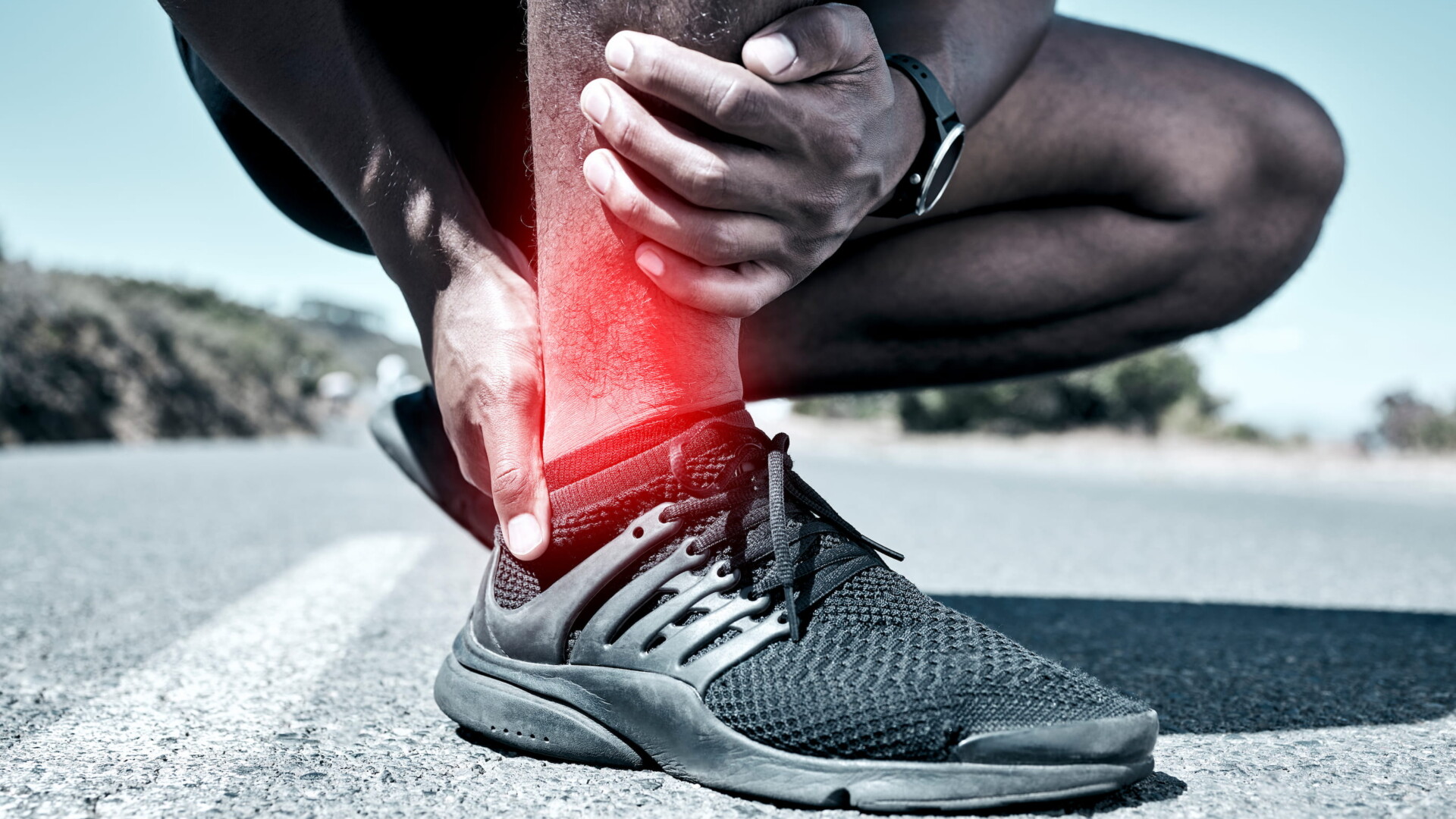
Injury stopping you from training, competing or simply doing the activity you enjoy?
Whether you are a runner, cyclist, footballer, gym-goer or recreational athlete, a sports injury can be frustrating — particularly when symptoms keep returning or you are unsure how much activity you should be doing.
At Westway Clinic, we assess and treat a range of sports injuries and musculoskeletal problems, helping you understand what is causing your symptoms and plan a sensible route back to activity.
Our Redhill clinic offers physiotherapy, osteopathy, podiatry and rehabilitation support for patients from Redhill, Reigate and the surrounding area. Physiotherapy is commonly used for sports-related sprains, strains and other musculoskeletal injuries.
Sports Injuries We Commonly See
Sports injuries can happen suddenly, but they can also develop gradually when a muscle, joint or tendon is repeatedly exposed to more load than it is currently able to tolerate.
You do not need to be an elite athlete to experience one.
We regularly see people whose symptoms are affecting running, gym training, team sports, racquet sports and everyday exercise.
Foot & Ankle
- Achilles tendon pain
- Ankle sprains
- Heel and plantar fascia pain
- Exercise-related foot pain
Knee
- Knee pain associated with running or sport
- Patellar tendon pain
- Sprains and soft-tissue injuries
- Problems returning to activity after injury
Hip & Thigh
- Muscle strains
- Exercise-related hip pain
- Gluteal tendon problems
- Pain affecting running or training
Shoulder & Arm
- Shoulder pain associated with sport
- Rotator cuff-related problems
- Tennis elbow and golfer’s elbow
- Muscle and tendon injuries
Not every pain experienced during sport has the same cause. An assessment can help establish what may be injured, how severe the problem appears to be and what you can safely do next.
Are You Experiencing Any of These Problems?
It may be worth arranging an assessment if you are experiencing:
- Pain during or after exercise
- Swelling following an injury
- Stiffness or restricted movement
- Weakness or loss of confidence in the affected area
- Pain that returns whenever you increase your training
- Reduced sporting performance
- A recurring injury that never seems to fully settle
- Tendon pain that has persisted despite reducing activity
- Difficulty knowing when or how to return to sport
The aim of an assessment is not simply to identify where it hurts. It is to understand what is limiting you and what needs to improve for you to return to your chosen activity.
Why Do Sports Injuries Happen?
There is rarely one explanation that applies to everyone.
Some injuries result from a clear incident, such as rolling an ankle, changing direction suddenly or overstretching a muscle.
Others appear gradually.
Training volume, a sudden increase in activity, recovery, strength, previous injury and the demands of the sport can all be relevant when assessing an individual problem.
Sprains and strains are common sporting injuries, while tendon problems can sometimes become persistent and require a more gradual approach to rebuilding activity.
That is why the first step at Westway Clinic is to understand how the problem started, what aggravates it and what you want to get back to doing.
How We Can Help With Sports Injuries
Treatment will depend on the type of injury, how long you have had it and the demands of the activity you want to return to.
Your plan may include a combination of:
Assessment and Diagnosis
Your practitioner will discuss how the injury occurred, assess the affected area and carry out relevant movement and clinical tests.
Where your symptoms suggest that further investigation or medical assessment is needed, we can advise you on the appropriate next step.
Hands-On Treatment
Depending on the injury and practitioner involved, treatment may include manual therapy, joint mobilisation or soft-tissue techniques.
Exercise Rehabilitation
Rehabilitation is often an important part of returning to sport.
Exercises may be used to progressively rebuild movement, strength and your ability to tolerate the demands of training.
Training & Load Management
Simply stopping all activity is not always the best long-term solution.
Where appropriate, your practitioner can help you modify training while symptoms settle and then progressively increase activity as your capacity improves.
Return-to-Sport Planning
Getting out of pain is not always the same as being ready to return to full training.
Where appropriate, your rehabilitation can be progressed towards the movements and demands involved in your particular sport or activity.
Persistent Tendon Pain
Tendon problems can be particularly frustrating because symptoms may settle when you stop exercising, only to return when you resume training.
Common areas include the:
- Achilles tendon
- Patellar tendon around the knee
- Tendons around the hip
- Shoulder
- Elbow
For persistent tendon problems, treatment often needs to consider both the symptoms themselves and how much load the tendon is currently able to tolerate.
A progressive strengthening and activity programme may form an important part of rehabilitation. NHS physiotherapy guidance for Achilles tendinopathy similarly emphasises modifying aggravating activity and progressively rebuilding capacity.
Could Shockwave Therapy Be Appropriate?
Westway Clinic also offers Extracorporeal Shockwave Therapy (ESWT) for selected persistent musculoskeletal and tendon problems.
This is not appropriate for every sports injury.
If your practitioner considers shockwave therapy relevant to your particular condition, they can explain why it is being recommended, what treatment involves and how it would fit alongside your rehabilitation programme.
Which Practitioner Should I Book?
One of the advantages of Westway Clinic is that several musculoskeletal services are available within the same clinic.
Depending on your injury, the most appropriate route may include:
Physiotherapy
Assessment, treatment and exercise-based rehabilitation, including return-to-sport planning.
Osteopathy
Hands-on assessment and treatment for appropriate musculoskeletal problems, including minor sports injuries.
Podiatry
Particularly relevant where foot, ankle, lower-limb function or biomechanics may be involved.
Shockwave Therapy
An additional treatment option that may be considered for selected persistent tendon and musculoskeletal problems.
Not sure which one you need?
You do not have to make that decision yourself. Tell our team what has happened and what you are struggling with, and we can help direct you to an appropriate practitioner.
What Happens at Your Sports Injury Appointment?
1. Tell Us What Happened
We will discuss how your symptoms started, your training or activity, previous injuries and what you are currently unable to do.
2. Assess the Injury
Your practitioner will assess movement, strength and the injured area and carry out relevant clinical tests.
3. Understand the Problem
We will explain what we have found and what we consider to be the most appropriate next step.
4. Start Your Recovery Plan
Where treatment is appropriate, your plan may include hands-on care, exercises, activity modification and rehabilitation.
5. Work Towards Your Goal
Whether your aim is running 5K, getting back to the gym, returning to football or preparing for competition, your rehabilitation can be progressed towards the activity that matters to you.
When Does a Sports Injury Need Medical Attention?
Some injuries are better assessed medically rather than managed initially as a routine sports injury.
Seek appropriate medical advice if you have suffered a significant injury and:
- Cannot put weight through the affected area
- Have severe pain or significant swelling
- The injured area looks deformed
- You heard a crack at the time of injury
- You have numbness or loss of sensation
- Your symptoms are severe or getting significantly worse
NHS guidance recommends urgent assessment for certain severe joint injuries and suspected fractures.
If you are unsure whether Westway Clinic is the appropriate first step, contact us and we can advise you.
Why Choose Westway Clinic for a Sports Injury?
Recovering from a sports injury is about more than reducing pain.
The goal is to understand the problem, restore movement and capacity and help you return to the activity you enjoy with an appropriate plan.
At Westway Clinic, you have access to several relevant disciplines under one roof, including physiotherapy, osteopathy, podiatry and shockwave therapy.
Our approach is to:
- Understand your sporting or activity goals
- Assess the problem properly
- Explain our findings clearly
- Build rehabilitation around the individual
- Help you manage your activity sensibly
- Refer or cross-refer when another practitioner is better placed to help
Frequently Asked Questions About Sports Injuries
Do I need to stop exercising completely?
Not necessarily.
It depends on the injury and severity of your symptoms. In some situations, activity may need to be stopped temporarily. In others, modifying the type or amount of exercise may be more appropriate.
Your practitioner can advise you after assessing the injury.
Should I use ice on a new sports injury?
For sprains and strains, NHS guidance currently recommends protection, rest from aggravating activity, ice, compression and elevation during the first two to three days. The appropriate approach will depend on the nature and severity of the injury.
How long will my sports injury take to recover?
There is no reliable single timeframe.
Recovery depends on the structure involved, severity of the injury, how long symptoms have been present and the demands of the sport you are returning to.
After assessment, your practitioner should be able to give you a better idea of what your rehabilitation is likely to involve.
Can physiotherapy help with sports injuries?
Yes. Physiotherapy is commonly used for musculoskeletal sports injuries such as sprains and strains and can include assessment, treatment, strengthening and rehabilitation.
Can osteopathy help with a sports injury?
Whether osteopathic treatment is appropriate depends on the particular injury and your assessment.
Do I need a scan before booking?
Not necessarily.
Many musculoskeletal sports injuries can initially be assessed clinically. If your practitioner believes imaging or another medical assessment is appropriate, they can explain this after your assessment.
Ready to Get Back to Your Sport?
If an injury is stopping you training, exercising or performing at your best, book an assessment with the team at Westway Clinic.
We will assess the problem, explain what we find and help you understand the most appropriate route back to activity.
Westway Clinic
17 Hatchlands Road
Redhill, Surrey
RH1 6AA
Call: 01737 762990
Convenient for patients in Redhill, Reigate and surrounding areas.
Why Early Treatment Matters
Get you back to sport stronger and reduce the risk of re-injury.