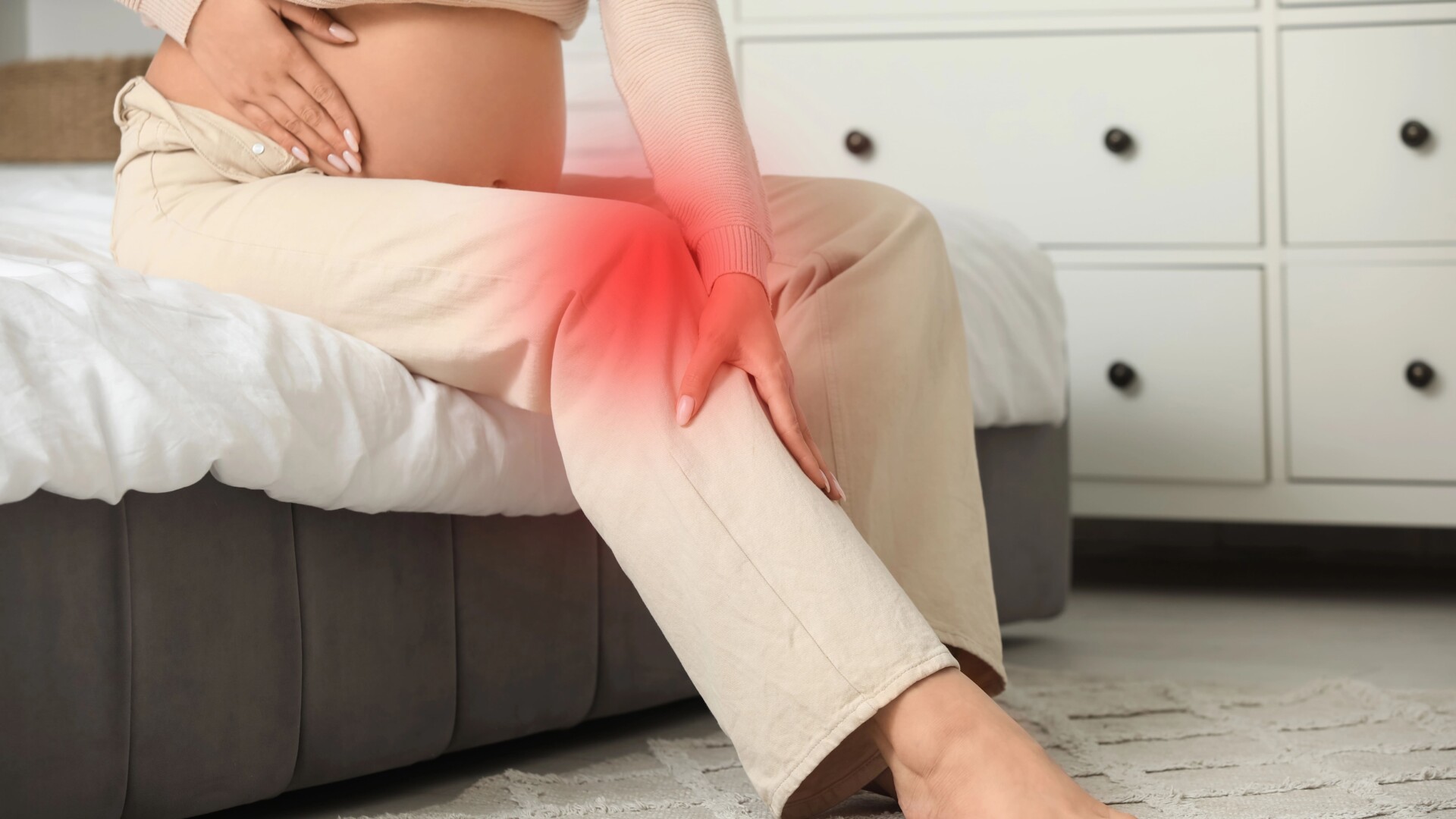
Looking for support with back, joint or muscular discomfort during pregnancy or after having your baby?
Pregnancy brings significant physical changes, and looking after a new baby places its own demands on your body.
At Westway Clinic, our osteopaths provide individual assessment and gentle, adapted treatment for appropriate musculoskeletal problems during pregnancy and the postnatal period.
Our clinic is in Redhill, conveniently located for patients from Reigate and the surrounding Surrey area.
Your Body Changes Throughout Pregnancy
As pregnancy progresses, your body continually adapts.
Your changing shape, increased load and changes in the way you move can mean that everyday activities such as walking, sitting, turning in bed or getting up from a chair feel different or uncomfortable.
Some people experience:
- Lower back pain or aching
- General muscular aches and tension
- Hip or joint discomfort
- Neck and shoulder tension
- Difficulty finding a comfortable sitting or sleeping position
- Discomfort during everyday movement
- Existing musculoskeletal problems becoming more noticeable
Back and pelvic discomfort are common during pregnancy, although pain should not automatically be assumed to be a routine consequence of pregnancy.
If something concerns you, speaking to your midwife, GP or maternity team remains important.
What About Pelvic Girdle Pain?
Pelvic girdle pain — often shortened to PGP — describes pain experienced around the pelvis during pregnancy.
Symptoms can be felt at the front or back of the pelvis and may make activities such as walking, climbing stairs, standing on one leg, turning in bed or getting in and out of a car uncomfortable.
Instead, if you are experiencing pelvic pain, your practitioner can assess your musculoskeletal symptoms, discuss what is troubling you and advise whether osteopathic care is appropriate or whether another route — such as your midwife, GP or a specialist physiotherapy service — would be more suitable.
Osteopathy During Pregnancy
Osteopaths are regulated healthcare professionals and can adapt their approach to different patients, including pregnant women.
Treatment is based on the individual, their stage of pregnancy, medical history and presenting problem. Osteopathic care can include manual therapy, exercise, health-management advice and onward referral where appropriate.
At Westway Clinic, your appointment may involve:
Understanding What Is Bothering You
Your osteopath will ask about your symptoms, pregnancy, relevant medical history and how the problem is affecting everyday activities.
Assessing Your Movement
Where appropriate, the osteopath will assess movement and the areas associated with your symptoms.
Adapted Hands-On Treatment
Treatment techniques can be modified according to your individual needs and stage of pregnancy.
Practical Advice
Your osteopath may discuss movement, everyday activity, exercise and ways of making particular tasks more comfortable.
Referral When Appropriate
If your symptoms need assessment or management outside the clinic, your practitioner will explain this and advise you on the next step.
After Your Baby Arrives
The physical demands do not disappear after childbirth — they simply change.
Feeding, carrying, lifting, pushing a buggy, repeatedly bending and spending long periods in new sitting positions can all place demands on the back, neck, shoulders and joints.
Some new parents experience:
- Back aching or stiffness
- Neck and shoulder discomfort
- General muscular aches
- Discomfort associated with carrying or feeding positions
- Existing musculoskeletal problems becoming more noticeable
- Difficulty returning comfortably to normal movement or exercise
Backache is common after childbirth, and normal activity and sensible positioning can form part of recovery. Persistent or radiating pain may need further assessment.
How We May Help With Pregnancy & Postnatal Discomfort
Where osteopathic treatment is appropriate, the focus may include:
Back & Joint Discomfort
Movement & Mobility
Your practitioner can assess how comfortably you are moving and advise on appropriate strategies or exercises.
Muscular Aches & Tension
Hands-on osteopathic techniques may form part of treatment for appropriate general musculoskeletal aches and pains.
Everyday Movement
Practical advice may help with activities such as sitting, lifting, carrying or returning gradually to usual exercise.
Knowing When Something Needs a Different Approach
Pregnancy and the postnatal period can also involve symptoms that are not musculoskeletal and need assessment by your maternity team or another healthcare professional.
Knowing when not to treat is an important part of good clinical care.
What Happens at Your First Appointment?
1. We Talk About Your Symptoms
Your osteopath will ask what is troubling you, when it started and how it is affecting your day-to-day life.
During pregnancy, they will also take relevant information about your pregnancy and medical history.
2. We Assess
Where appropriate, your practitioner will assess movement and the musculoskeletal areas associated with your symptoms.
3. We Explain
We will talk through what we find and whether osteopathic treatment is appropriate.
4. Treatment Is Adapted to You
There is no single “pregnancy treatment”.
Techniques and positioning are selected according to the individual, their presenting complaint and stage of pregnancy.
5. You Leave With a Plan
Your practitioner may also give you movement, exercise or practical advice to help outside the treatment room.
Is Osteopathy Suitable During Pregnancy?
Osteopaths are trained to work with a broad range of patients, including pregnant women, and should adapt their therapeutic approach according to the needs of the individual.
Your osteopath will consider:
- Your stage of pregnancy
- Your symptoms
- Your medical and pregnancy history
- Your comfort during examination and treatment
- Whether osteopathic care is appropriate
- Whether you need advice from your midwife, GP or maternity team
If you have concerns about whether treatment is suitable for you, speak to the clinic before booking or discuss it with your maternity healthcare professional.
When Should I Contact My Midwife or Seek Medical Advice?
Aches and pains can occur during pregnancy, but some symptoms should be assessed by your maternity team rather than treated initially as a routine musculoskeletal problem.
Seek appropriate maternity or medical advice if you experience symptoms such as:
- Vaginal bleeding
- Fluid leaking from the vagina
- A change in your baby’s normal movements
- Severe or concerning abdominal pain
- A severe headache
- Sudden changes to your vision
- Sudden or significant swelling
- Sudden or concerning breathlessness
- Any pain or symptom that is worrying you
The NHS advises pregnant women to seek help for a range of these symptoms because some can indicate problems requiring medical assessment.
Call 999 in a life-threatening emergency. If you are unsure what to do and your usual maternity services are unavailable, NHS 111 can advise you.
Why Choose Westway Clinic?
Pregnancy and early parenthood are busy enough without having to navigate confusing healthcare information.
Our aim is to keep things straightforward.
At Westway Clinic, we offer:
- Experienced registered osteopaths
- Treatment adapted to the individual
- Clear explanations rather than jargon
- Practical movement and self-management advice
- A multidisciplinary clinic with the ability to cross-refer where appropriate
- A convenient Redhill location for patients from Reigate and surrounding areas
Frequently Asked Questions About Pregnancy & Postnatal Osteopathy
Can I see an osteopath while pregnant?
Yes. Osteopaths can work with pregnant patients and should adapt assessment and treatment to the individual and their presenting problem.
What should I wear?
Wear something you feel comfortable moving in. If examination or treatment requires access to a particular area, your practitioner should explain this and make sure you are comfortable.
Do I need permission from my midwife or GP?
You can contact Westway directly. However, if you have pregnancy complications, concerning symptoms or uncertainty about whether treatment is appropriate, speaking with your midwife or doctor is sensible.
Can I come after my baby is born?
Yes. Osteopathic assessment may be appropriate for general musculoskeletal problems such as back, neck, shoulder or joint discomfort after childbirth.
What if my pelvic pain is severe?
Pregnancy-related pelvic pain can significantly affect everyday movement. If symptoms are severe, worsening or causing concern, contact your midwife, GP or maternity service so the appropriate care pathway can be considered.
Looking for Support During Pregnancy or After Birth?
If back, joint or muscular discomfort is making everyday movement more difficult, contact Westway Clinic to discuss whether an osteopathy appointment may be appropriate.
We will take the time to understand what is troubling you, assess you appropriately and explain the next step clearly.
Westway Clinic
17 Hatchlands Road
Redhill, Surrey
RH1 6AA
Call: 01737 762990
Convenient for patients in Redhill, Reigate and surrounding areas.
Why Early Treatment Matters
Feel more comfortable throughout pregnancy and recovery.
What our clients say